English (EN)
 Deutsch (DE)
 Nederlands (NL)
 中文 (ZH)
经过精心设计的柔软质感,带来卓越的手感
普通面料与卓越纺织品之间的区别
高品质的织物柔软剂对于提升面料性能至关重要,它能将普通材料转化为具有卓越柔软度、舒适度和手感的纺织品。作为全球制造商的长期合作伙伴,我们提供先进的织物柔软技术,既能提升成品纺织品的感官体验,又能增强其功能特性。 我们的柔软剂不仅能改善手感、优化生产效率,还能解决从降低摩擦到提升可缝制性等关键生产难题。它们帮助生产商打造出符合现代消费者对舒适度、品质和耐用性期望的纺织品,确保应用于服装、家纺及其他领域的面料不仅具备功能性,更拥有卓越品质。
主要优势
选择合适的纺织柔顺剂绝不仅仅是从产品目录中挑选一款产品那么简单。这需要对您的面料、设备及性能要求有深入的了解,以确保制造商能够获得最佳的柔顺效果、手感及加工效率。 除了提升柔软度外,我们的纺织柔顺剂还能带来可量化的生产效益,从而提高生产效率和面料性能:
- 提升加工效率: 经过适当柔软处理的面料在裁剪和缝纫工序中移动更顺畅,从而减少摩擦、最大限度地降低静电积聚,并提高整体生产速度。 这有助于减少生产中断,并更高效地处理合成纤维和混纺面料。
- 提升可缝制性: 通过减少高速或自动化缝纫过程中的针头发热和断针现象,我们的柔软剂有助于保持稳定的缝线质量,并延长设备使用寿命。
- 更佳的染色效果: 我们产品组合中的部分柔软剂可在染色过程中添加,有助于实现更好的染料平铺性、减少染料迁移,并提高面料整体的色泽均匀性。
- 减少磨损损伤: 在湿法加工和后整理过程中,柔软剂通过降低表面摩擦来保护纤维,有助于防止起球、起绒以及其他可能降低产品质量的磨损相关缺陷。
-
Key benefits
Choosing the right textile softeners goes far beyond selecting a product from a catalog. It requires a deep understanding of your fabrics, equipment, and performance requirements to ensure manufacturers achieve the optimal softening effect, hand feel, and processing efficiency. Beyond enhancing softness, our textile softeners deliver measurable manufacturing benefits that improve productivity and fabric performance:
- Improved Process Efficiency: Properly softened fabrics move more smoothly through cutting and sewing operations, reducing friction, minimizing static buildup, and increasing overall production speed. This leads to fewer interruptions and more efficient handling of synthetic and blended materials.
- Enhanced Sewability: By reducing needle heating and breakage during high‑speed or automated sewing, our softeners help maintain consistent stitch quality and extend equipment lifespan.
- Better Dyeing Results: Select softeners in our portfolio can be applied during dyeing, helping achieve better dye leveling, reduced migration, and improved color uniformity across the fabric.
- Reduced Abrasion Damage: During wet processing and finishing, softeners protect fibers by reducing surface friction, helping prevent pilling, fuzzing, and other abrasion‑related defects that can reduce product quality.
-
Application support and process integration
We understand that effective textile softeners must integrate seamlessly with other finishing chemicals and production processes. That’s ...We understand that effective textile softeners must integrate seamlessly with other finishing chemicals and production processes. That’s why our formulations are designed for compatibility across multiple application methods, including exhaust and padding processes, spray systems, and foam finishing, so manufacturers can achieve consistent softness and performance regardless of their equipment setup or production goals. To guarantee reliable results, our technical team supports you with expert guidance throughout the finishing process:
- Compatibility testing with other finishing agents
- Optimization of the preferred application method
- Performance testing tailored to specific fabric types
- Troubleshooting and resolution of application‑related issues
- Custom formulation adjustments for unique manufacturing requirements
These services ensure that each softener delivers the intended softness, drape, and durability across diverse textile categories.
-
Environmentally responsible solutions
Today’s textile manufacturers are under increasing pressure to balance high performance with environmental responsibility, and our textil...Today’s textile manufacturers are under increasing pressure to balance high performance with environmental responsibility, and our textile softeners are engineered to support that shift. Designed with resource efficiency and sustainability in mind, our solutions help reduce environmental impact without compromising fabric quality or manufacturing results. Key sustainability advantages include:
- Concentrated formulations that lower shipping weight and reduce packaging waste
- Compatibility with low‑liquor‑ratio processes, enabling more efficient water and chemical use
- Effective performance at lower temperatures, helping reduce energy consumption during processing
- Options with improved biodegradability, supporting cleaner effluents and reduced environmental burden
- Durable softening technologies that extend the lifespan of garments and textile products by maintaining softness and performance over time
-
Applications
Our textile softeners have a wide range of applications. Textile softeners work by depositing a fine, functional layer onto fiber surface...Our textile softeners have a wide range of applications. Textile softeners work by depositing a fine, functional layer onto fiber surfaces, modifying their physical properties to improve comfort, flexibility, and processing performance. While specific mechanisms vary by chemical composition, high‑quality softeners generally enhance fabric behavior in several key ways:
- Reducing inter‑fiber friction, allowing fibers to move more freely and improving overall softness.
- Lubricating individual fibers to create a smoother, more pleasant surface texture.
- Improving fabric drape and flexibility by modifying the hand‑feel and enhancing mechanical fluidity.
- Reducing static cling in synthetic and blended fabrics for better comfort and easy handling.
- Enhancing sewability and cutting performance, particularly valuable in modern, high‑speed manufacturing.
These softening mechanisms help fabrics feel noticeably softer, drape more elegantly, and maintain their desirable characteristics through repeated laundering.
应用
我们的织物柔软剂应用范围广泛。 织物柔软剂的作用原理是在纤维表面沉积一层细腻的功能性薄膜,通过改变纤维的物理特性来提升舒适度、柔韧性和加工性能。虽然具体作用机制因化学成分而异,但高品质的柔软剂通常能通过以下几个关键方面改善织物的性能:
- 减少纤维间的摩擦,使纤维能够更自由地移动,并提升整体柔软度。
- 对单根纤维进行润滑,从而形成更光滑、更舒适的表面质感。
- 通过改变手感并增强机械流动性,改善织物的垂坠感和柔韧性。
- 减少合成纤维和混纺面料的静电吸附,从而提高舒适度并便于处理。
- 提升可缝制性和裁剪性能,这对现代高速生产尤为重要。
这些柔软处理机制有助于使面料触感明显更柔软、垂坠感更优雅,并在反复洗涤后仍能保持其理想特性。由于不同类别的纺织品对性能要求各异,我们开发了针对特定应用场景量身定制的专用柔软配方:
-
毛巾及毛圈织物产品
柔软处理方案,在提升吸水性的同时,仍能保持高端毛巾特有的蓬松、奢华触感。
-
服装
从休闲装到运动装,我们的柔软剂能提升面料的弹性恢复能力,减少接缝处起皱,并带来现代消费者所追求的舒适触感。
-
家用纺织品
床单、被子及床上用品需要经得起频繁洗涤仍能保持柔软;我们的配方可确保触感持久舒适,并有效保护色彩不褪色。
-
技术纺织品
功能性面料采用专用的柔软剂,既能增强吸湿排汗和导湿性能,又能保持持久的柔软感,同时不影响其功能特性。
-
织物柔软剂是一种后整理化学品,通过减少纤维间的摩擦并润滑纤维表面,从而提高织物的柔软度、手感和柔韧性。它能增强织物的垂感,减少静电,并在使用和生产过程中优化织物的性能。
纺织柔顺剂通过减少加工过程中的摩擦、静电和机械应力,从而提高生产效率。这有助于改善缝纫性能、使面料处理更顺畅、减少缺陷,并提升纺织品的整体质量。
织物柔软剂在服装、家用纺织品、毛巾和功能性纺织品中不可或缺,它们能提升织物的柔软度、耐用性、吸水性及功能性能。针对不同的终端用途,会量身定制相应的配方以满足其具体要求。
选择合适的织物柔软剂取决于面料类型、期望的手感以及加工条件。 与其他后整理化学品的相容性、施用方法以及包括柔软度、耐久性和可缝制性在内的性能要求等因素,在实现最佳效果方面起着关键作用。为确保最佳性能和效率,我们建议您与我们的技术专家密切合作,根据您的具体生产需求确定最合适的解决方案。
-
产品系列
-
阳离子软水剂
-
硅酮软化剂
-
两性软水剂
我们提供多种类别的织物柔顺剂,每种产品都具有独特的特性和优势,可满足不同的应用需求。
A
-
阳离子软水剂
这些带正电荷的柔软剂对带负电荷的纺织纤维(尤其是棉及其他纤维素材料)具有极佳的亲和力。其应用可带来以下效果:
- 极强的附着性,确保出色的耐洗性
- 丰富、奢华的手感,常被描述为“如桃子般”或“如丝绸般”
- 可减少合成混纺面料中的静电
- 提高抗撕裂强度和耐磨性
-
硅酮软化剂
我们的硅基织物柔软剂可在天然纤维和合成纤维表面形成光滑、柔顺的质感。这些产品具有以下特点:
- 无与伦比的柔软度和顺滑度
- 更佳的面料垂坠感与柔韧性
- 经多次洗涤后仍能保持持久的柔软感
- 增强了接缝抗滑移性
- 减少起球和起绒
-
两性软水剂
这些用途广泛的织物柔软剂同时带有正电荷和负电荷。 这使得它们能与多种织物类型和后整理工艺相兼容。它们具有以下特点:
- 与其他后整理剂的兼容性极佳
- 中等至较高的柔软度
- 良好的再润湿性
- 在pH值变化下性能稳定
-
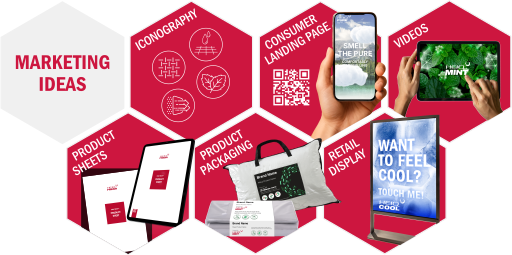
Unlock the power of ingredient branding with HeiQ
Our Marketing team is here to help bring your products to life through impactful ingredient branding. From creative visuals to compelling storytelling, we support you with innovative ideas designed to elevate your brand and drive market differentiation. Explore our Marketing Ideas Package or get in touch with our team at marketing@heiq.com